



 591 692

transplantation. We demonstrated that culturing allogenic
PBMCs with cavernous tissue for 48 h results in PBMC
activation consistent with rejection, as shown by PBMC
proliferation measured by flow cytometry and upregulation
of transplant-associated pathways observed via gene
expression array. PBMC activation was prevented by CsA
treatment. Cavernous tissue cultured with allogenic PBMCs
has impaired nerve-mediated contraction and relaxation
compared with tissues cultured with autologous PBMCs,
suggesting that experimental rejection results in impaired
erectile physiology. Histomorphological analysis using live
and fixed tissues demonstrated a qualitative increase in
smooth muscle and nerve apoptosis as well as cellular
infiltration, and these were prevented by CsA treatment.
Despite preventing experimental rejection, CsA treatment
led to impaired corporal smooth muscle relaxation. To
investigate this further, we compared ex vivo corporal
responsiveness of cavernous tissue cultured without PBMCs
and showed that tissues treated with CsA had decreased
parasympathetic-mediated relaxation compared with tis-
sues cultured in media alone or with FK506. These data
support the utility of this model to better understand the
pathophysiology of rejection on erectile physiology and
how it can be used to determine the optimal immunosup-
pression regimen to minimize tissue rejection while
maximizing erectile function.
[(Fig._6)TD$FIG]
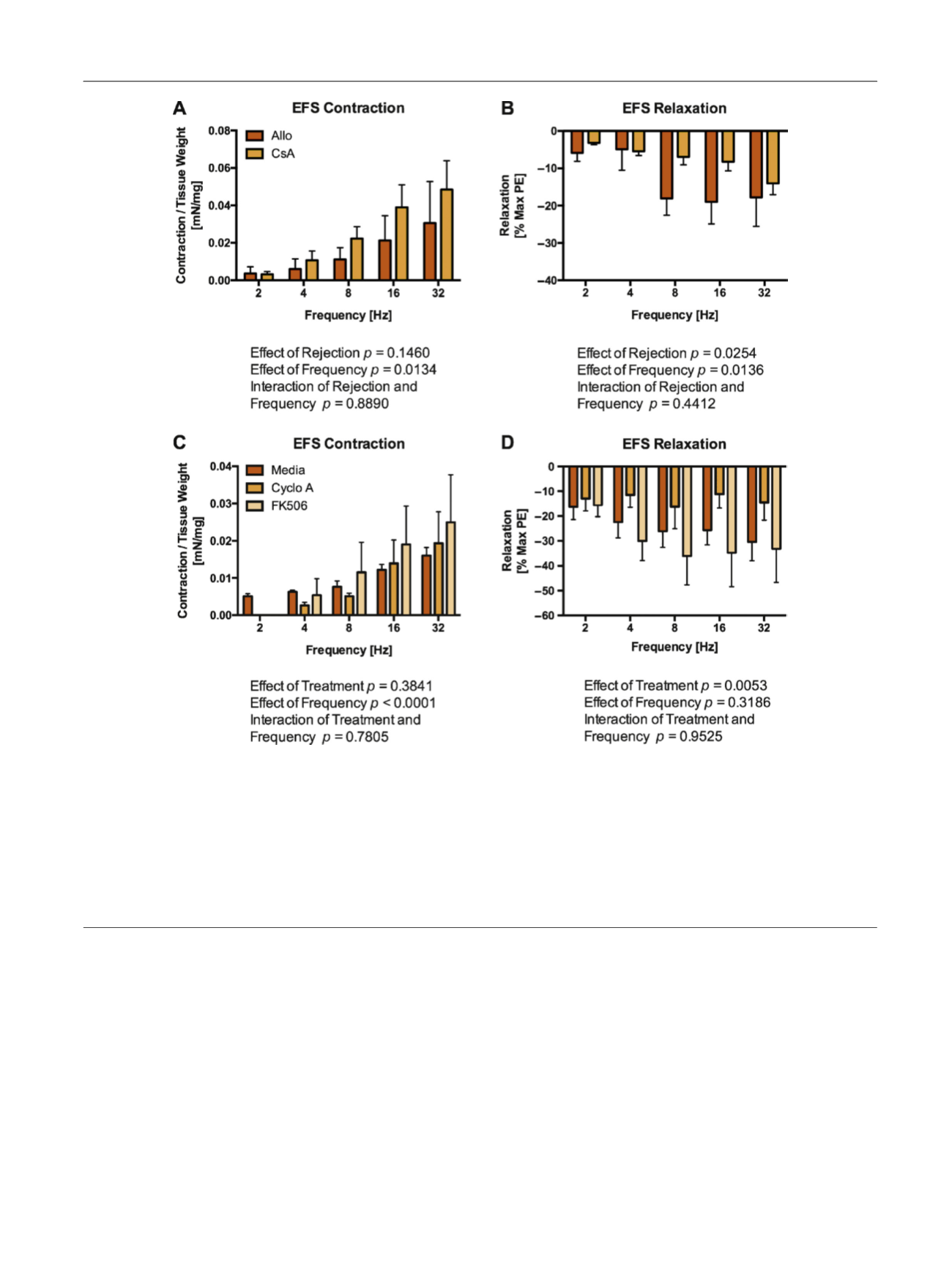
Fig. 6 – Assessment of immunosuppression treatment on cavernous tissue function physiology by myography. (a) Allograft mixed lymphocyte reaction
(MLR; Allo) and Allo tissues treated with 1
m
M cyclosporine A (CsA) were cultured for 48 h. Electrical field stimulation (EFS)–induced nerve-mediated
smooth muscle contraction was not different between treated and untreated tissues. (b) EFS-induced nerve-mediated relaxation following maximal
precontraction with phenylephrine demonstrated that CsA-treated tissues had impaired relaxation compared with rejecting Allo tissues, despite
prevention of rejection. Given these surprising findings and concern that CsA may have direct smooth muscle relaxation impairment, cavernous
tissues without peripheral blood mononuclear cells (ie, non-MLR culture) were incubated in media, 1
m
M cyclosporine A (Cyclo A), or 20 nM FK506 for
24 h. (c) No difference in EFS-induced tissue contraction was seen between groups. (d) Cyclo A tissues demonstrated impaired contraction compared
with media and FK506-treated tissues. These data suggest that cyclosporine A impairs nerve-mediated cavernous tissue relaxation, whereas FK506
does not, demonstrating the importance of immunosuppression regimens in the setting of penile transplantation.
n
= 4 per group.
Allo = allograft mixed lymphocyte reaction; CsA = 1-
m
M cyclosporine A–treated allograft mixed lymphocyte reaction; Cyclo A = 1-
m
M cyclosporine A;
EFS = electrical field stimulation; PE = phenylephrine.
E U R O P E A N U R O L O G Y 7 1 ( 2 0 1 7 ) 5 8 4 – 5 9 3
591